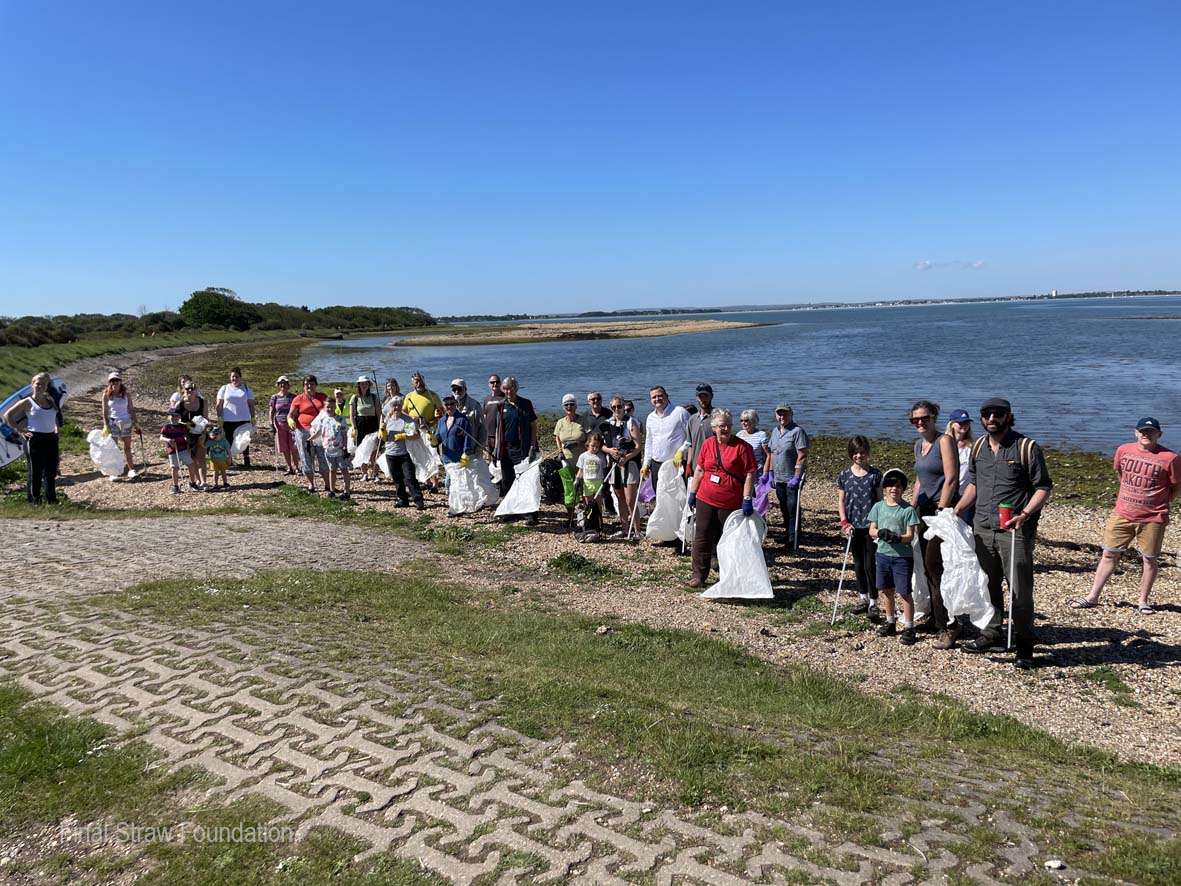
It’s our busiest time of year, and we love it. Don’t get cross when we say that it’s almost been too hot and sunny for beach cleaning, but the tans are coming on nicely through the factor 30…! Over the last couple of weeks, we’ve been lucky enough to run some fantastic events, including our hugely successful Portsmouth Youth Eco-Conference, which focused on Hope and Innovation – but that’s a separate blog post, coming soon!
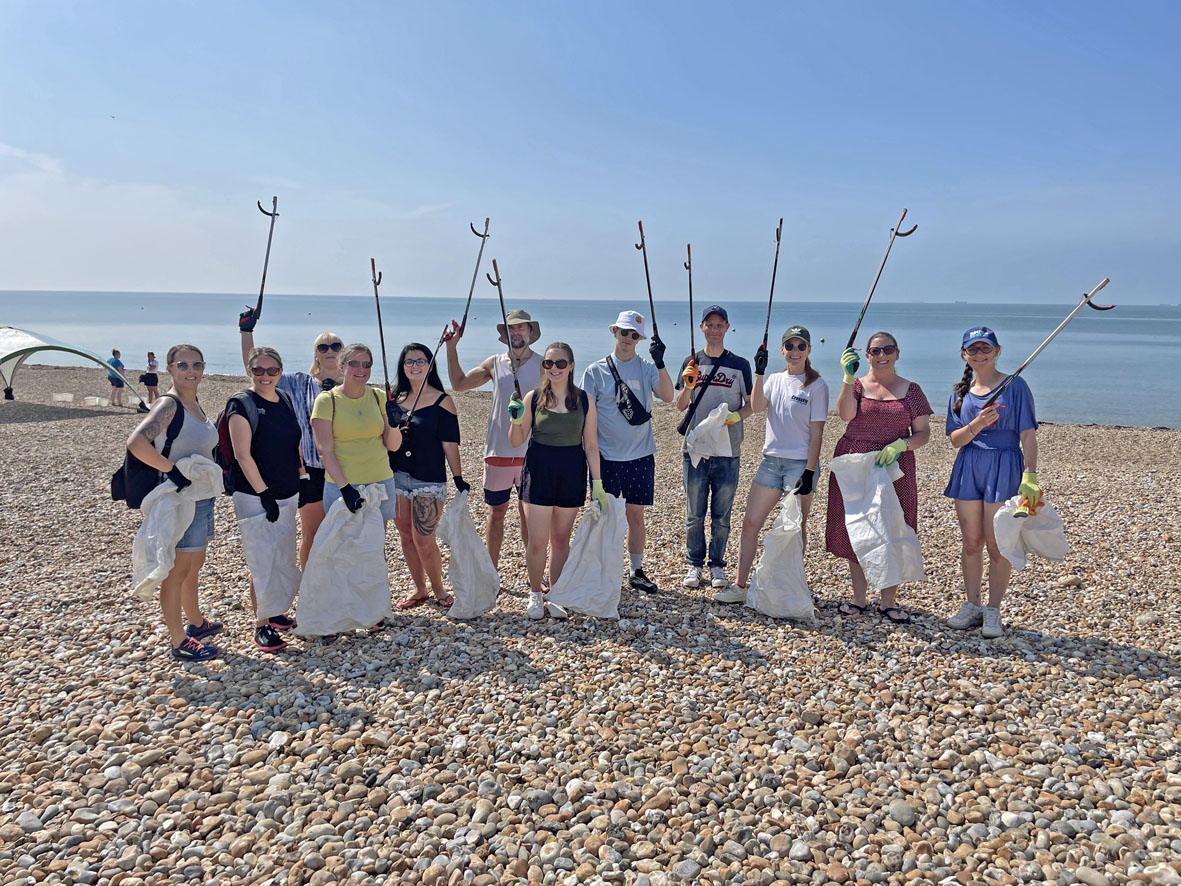
So far in June, we have run eight beach cleans – two of these have been public clean-ups, and the rest have been Corporate events with some fantastic businesses including Salesforce, Lumen, Explore Worldwide and Totaljobs. We’ve cleared 400kgs of rubbish from our beaches with nearly 300 volunteers, which is incredible! We’ve also run eight separate beach school sessions with local primary schools, teaching over 200 students to connect with and protect our coastal nature, oceans and how to be safe on the beach.
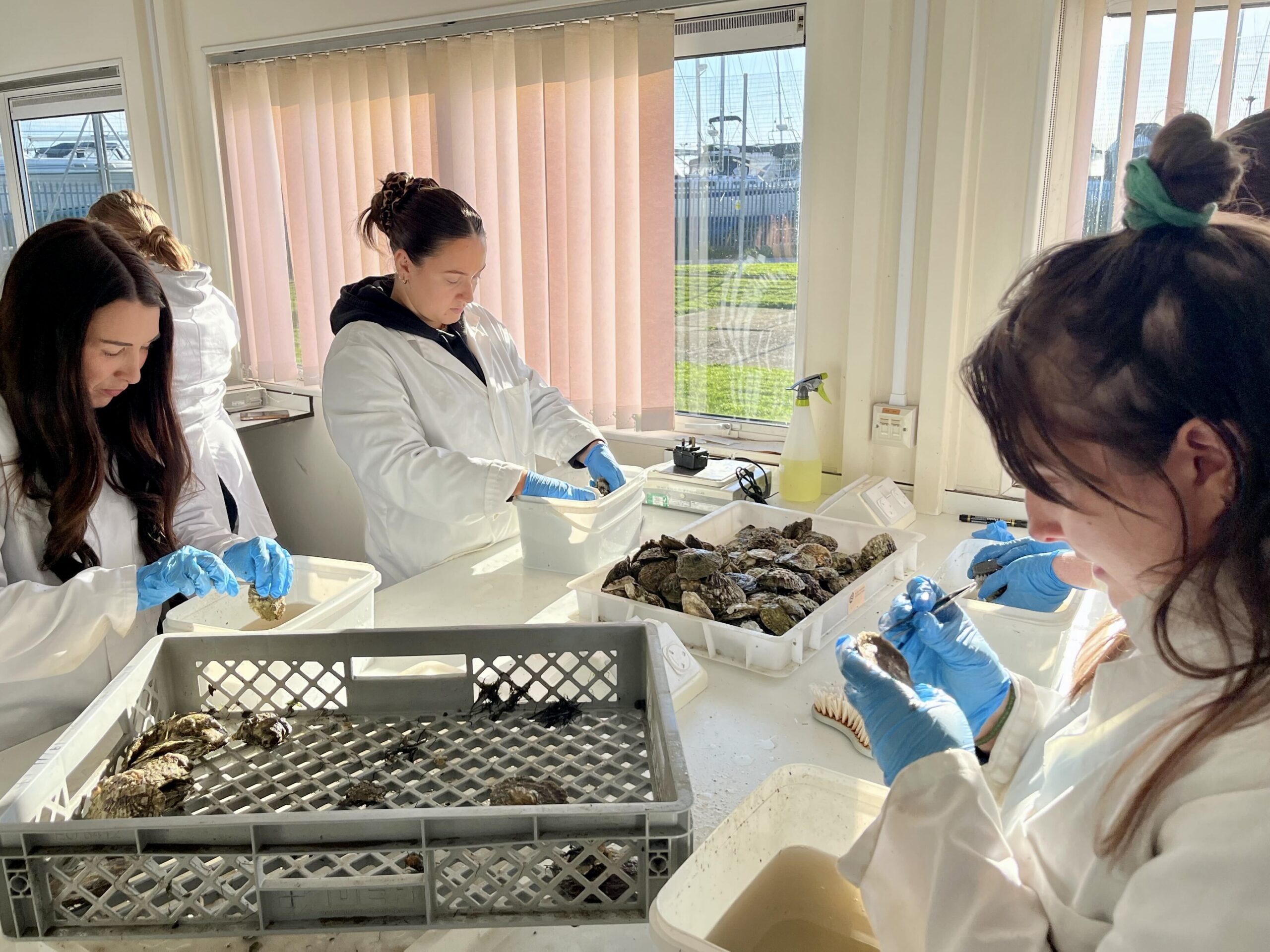
Last week, we were also lucky enough to have two work-experience students from Havant and South Downs College. Megan and Eva are both passionate about the environment and science, and helped us with running beach cleans and at beach school, as well as conducting a litter survey on our behalf for the Marine Conservation Society. They also both created some online content for us, with Megan writing the blog post below about nurdles for us – thanks, Megan!

Nurdles and Their Impact on Our Oceans
by Megan, Work Experience Student, HSDC
Our oceans are home to a diverse array of marine life, and their health is vital for the well-being of our planet. However, there is a threat beneath the surface: nurdles. These tiny plastic pellets may seem insignificant, but their impact on our environment is far from small.
Nurdles, also known as mermaid’s tears, are pre-production plastic pellets used as the building blocks for manufacturing plastic products. They are typically the size of a lentil or smaller, making them difficult to spot and clean up. With their lightweight nature, nurdles are easily transported by wind and water, ending up in rivers, lakes, and ultimately, our oceans. The presence of nurdles in our oceans has severe consequences for marine life and ecosystems. Marine animals often mistake nurdles for food, leading to ingestion and digestive complications. Additionally, the accumulation of nurdles in aquatic environments can release harmful chemicals, polluting the water and endangering marine habitats. This not only affects marine organisms but also poses risks to human health as these toxins can enter the food chain.
Nurdles contribute significantly to the global plastic pollution crisis. It is estimated that billions of nurdles are lost or spilled into the environment during production, transportation, and manufacturing processes each year. These tiny pellets can easily find their way into waterways, where they pose a long-lasting threat. Nurdles are resistant to degradation and can persist in the environment for hundreds of years, perpetuating the cycle of pollution.
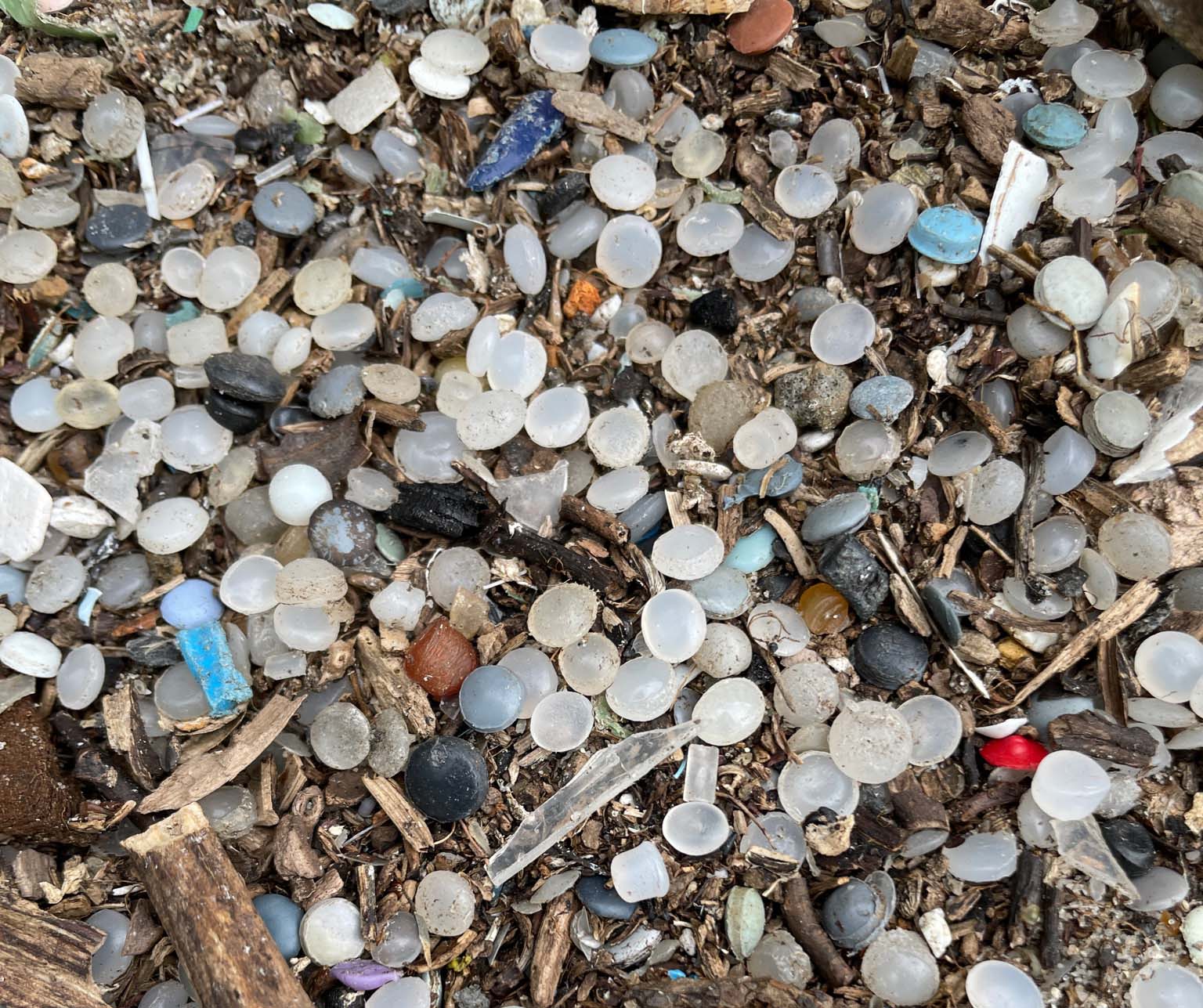
Addressing the nurdle problem requires a collective effort from various stakeholders. There are several ways to help tackle the issue of nurdles.The first way is preventing spills and losses: Industries and manufacturers must implement better practices to prevent nurdle spills and leakage. This includes improved storage, transportation, and handling procedures to minimize the risk of nurdle release into the environment.
A second way is raising awareness: Educating the public about nurdles and their impact is crucial. By spreading awareness through campaigns, social media, and educational programs, we can foster a sense of responsibility and encourage individuals to take action. Another way is promoting legislation and regulation: Governments and regulatory bodies play a vital role in addressing the nurdle problem. Stricter regulations on the production, transport, and use of nurdles can help reduce their environmental impact. A 4th way is supporting cleanup efforts: Supporting organizations and initiatives dedicated to cleaning up nurdles from our oceans and waterways is essential. Participating in beach cleanups and supporting research projects focused on nurdle pollution can make a significant difference.
Although Nurdles may be small in size, their environmental impact is significant. To protect our oceans and the delicate ecosystems they sustain, we must recognize the threat that nurdles pose and take proactive measures to address this issue. By raising awareness, implementing better practices, and supporting cleanup efforts, we can work together to reduce nurdle pollution and create a cleaner, healthier environment for future generations.
Remember, even the smallest actions can make a big difference when it comes to preserving our oceans and combating plastic pollution.