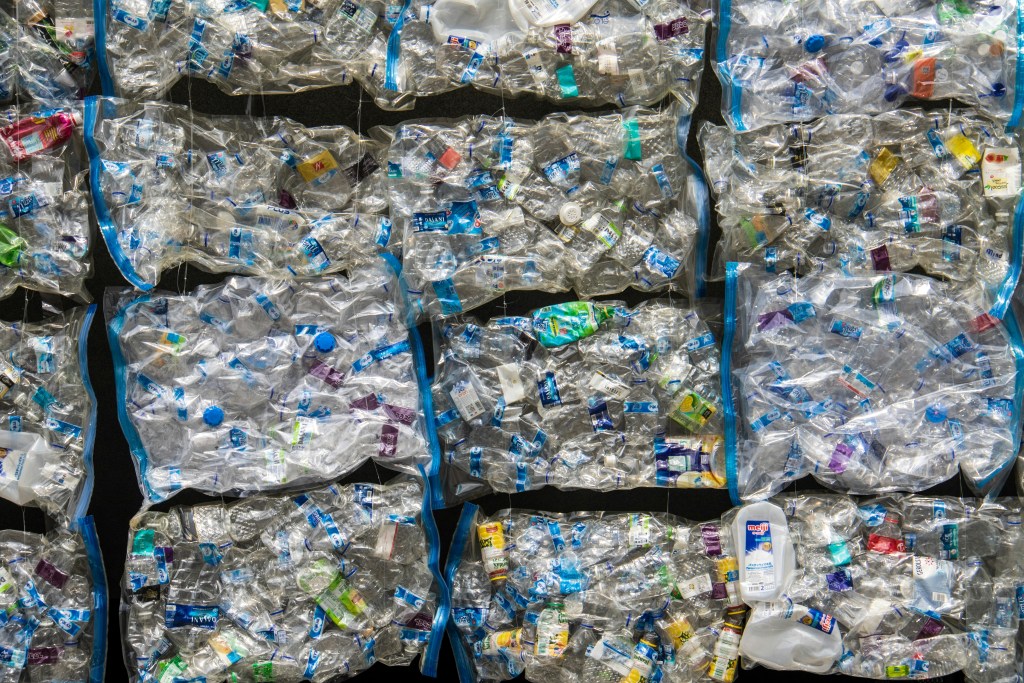
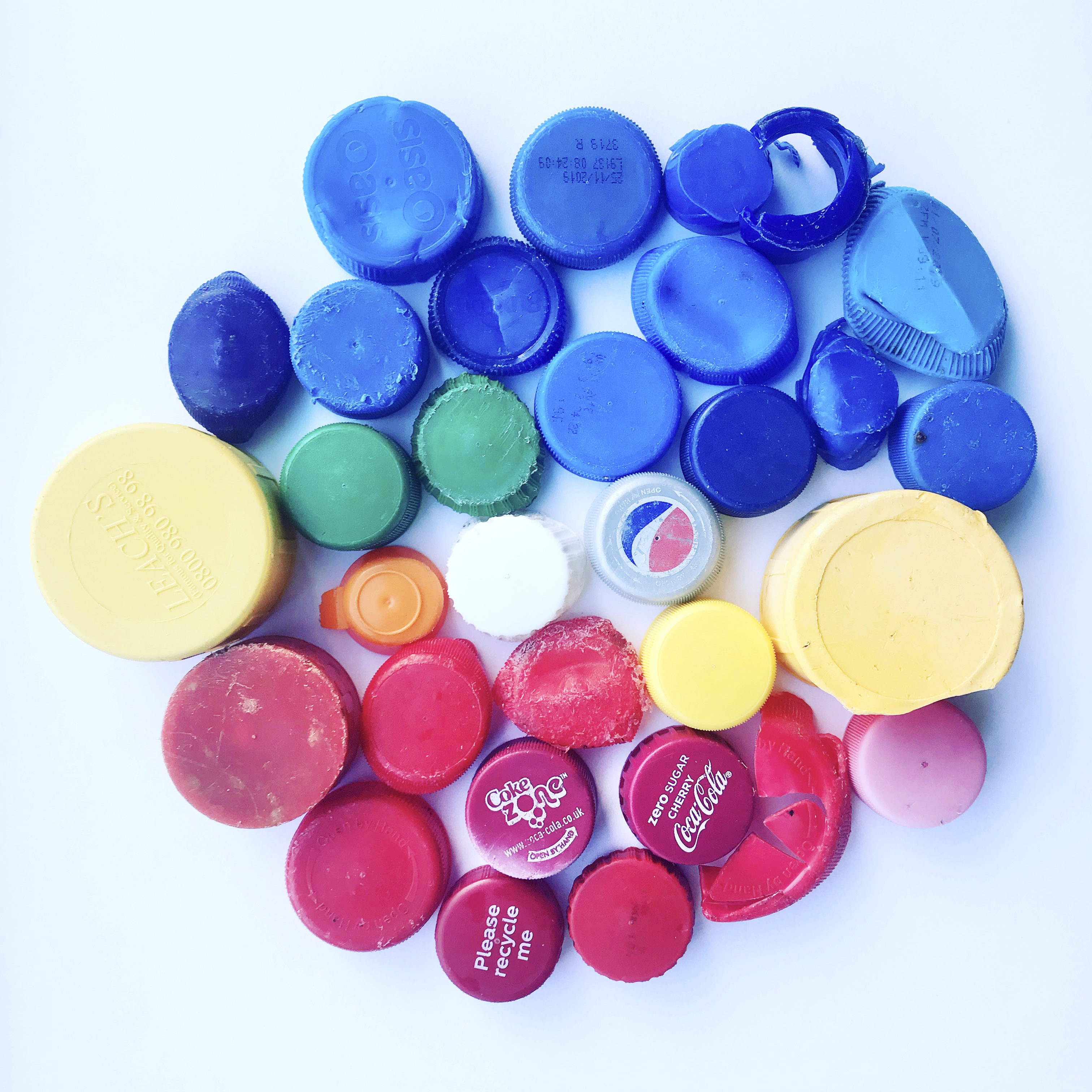
In the ongoing battle against plastic pollution in our seas and along our coastlines, the Final Straw Foundation has taken a ground-breaking step with its latest initiative—the Education Station. This innovative project not only aims to address the plastic crisis by collecting and recycling plastics, specifically targeting type 2 and 5 plastics commonly found on beach cleans and collected through community initiatives, but also seeks to redefine our relationship with this ubiquitous material.
A Circular Solution to Plastic Pollution
At the heart of the Education Station is novel machinery designed to grind up collected plastics and transform them into new, functional items such as flower pots, sunglasses, and carabiners. This circular approach to recycling not only diverts plastic waste from our oceans and landfills but also demonstrates the potential for creating valuable products from discarded materials.
However, recycling plastics is not the ultimate goal. The Education Station serves as a tangible reminder that plastic should be considered a precious resource rather than something disposable that we use for ten minutes and then toss away. By upcycling plastics into everyday items, the project seeks to instil a sense of responsibility and awareness about the environmental impact of our choices.
Shifting Perspectives on Plastic Use
One of the primary aims of the Education Station is to encourage a shift in mindset regarding the use of disposable plastics. While the project showcases the versatility of recycled plastics, it simultaneously advocates for reduced consumption of single-use plastics. Through educational programs and workshops in schools, and community outreach at events, the Final Straw Foundation aims to empower individuals to make informed choices that contribute to a more sustainable future.
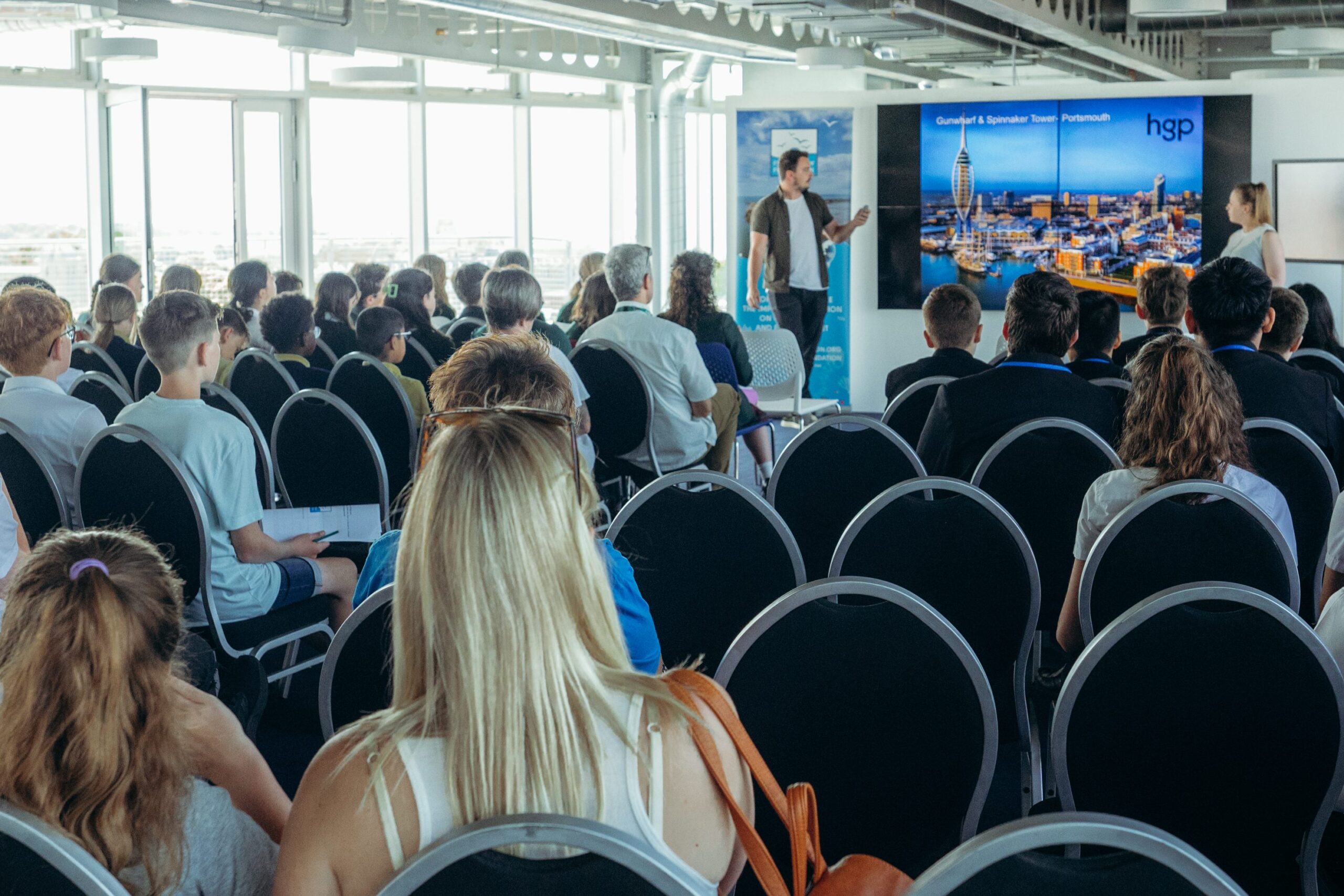
One of the key uses of the Education Station will be to tour schools in Hampshire and West Sussex, running workshops with students and helping them to understand – in a hands-on, engaging way – the impact of single-use plastic on our environment. Together, we will learn how we can reduce our reliance on single-use plastics and understand the plastics cycle and how it can affect our environment, wildlife and society. We will highlight the disproportionate burden on underdeveloped and developing countries that do not have the infrastructure to deal with single-use plastic – countries which, in the past and even now, sometimes receive bulk shipments of plastic waste from developed nations.
Unveiling the Carbon Footprint of Plastic Production
Beyond the immediate impact on waste reduction, the Education Station aims to draw attention to the broader environmental consequences of plastic production. Plastic manufacturing is closely tied to carbon emissions, contributing significantly to climate change. By highlighting the connection between plastic use and CO2 emissions, the project underscores the urgency of re-evaluating our reliance on conventional plastics.
The success of the Education Station hinges on community involvement. Through partnerships with local organisations, beach cleans, and grassroots movements, we are seeking to create a ripple effect of change. By engaging communities in the plastic recycling process and educating them on the broader implications of plastic consumption, the project aims to foster a sense of collective responsibility and inspire individuals to become advocates for sustainable living.
Join the Movement
As the Final Straw Foundation unveils the Education Station, it invites individuals and communities to join the movement towards a plastic-free future. By redefining the narrative around plastic, promoting responsible consumption, and addressing the environmental impact of plastic production, we hope the Education Station will stand as a beacon of hope in the fight against plastic pollution.
Together, let’s embrace the notion that plastic is not a problem without a solution; it’s an opportunity for transformation. The Education Station is paving the way for a sustainable tomorrow—one recycled flower pot, sunglass, and carabiner at a time. Our ultimate aim is that, in time, we will not have enough waste material as a resource to be able to create these items!
If you are interested in our team visiting your school or event with the Education Station when it is live, please drop us a note and we will get back to you!
This project has been enabled through funding from the Fat Face Foundation, the National Lottery Community Fund, the Havant Lottery Community Fund and Sea Changers – thank you!