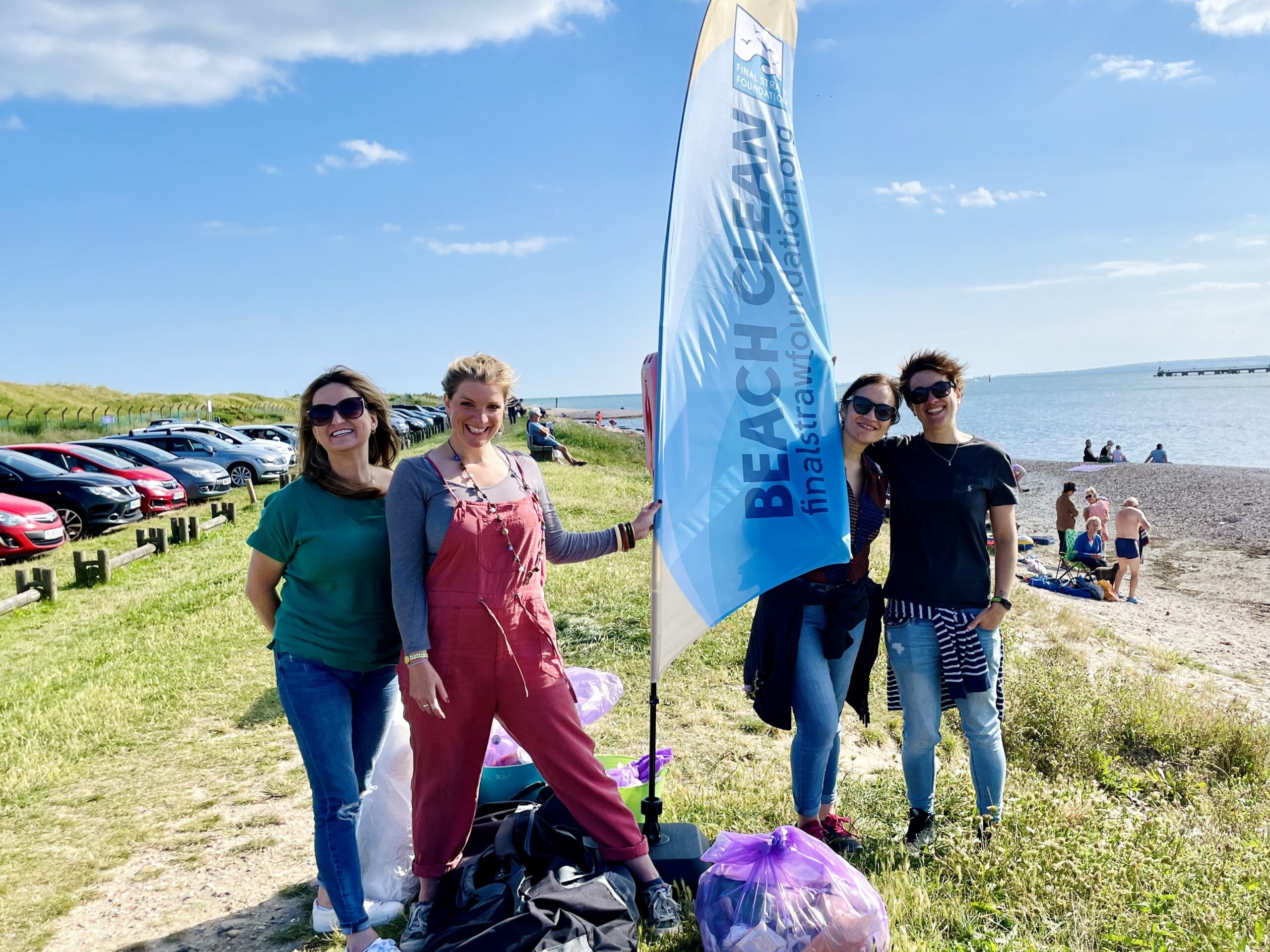
Early in 2022, we became a founding partner of a new organisation set up to investigate water quality in our local harbours. The Clean Harbours Partnership has now been running for nearly a year and results from our water testing programme have started to come in with some shocking results. We have had volunteers taking water samples in Chichester and Langstone Harbours as part of the largest Citizen Science project of its kind in the area.
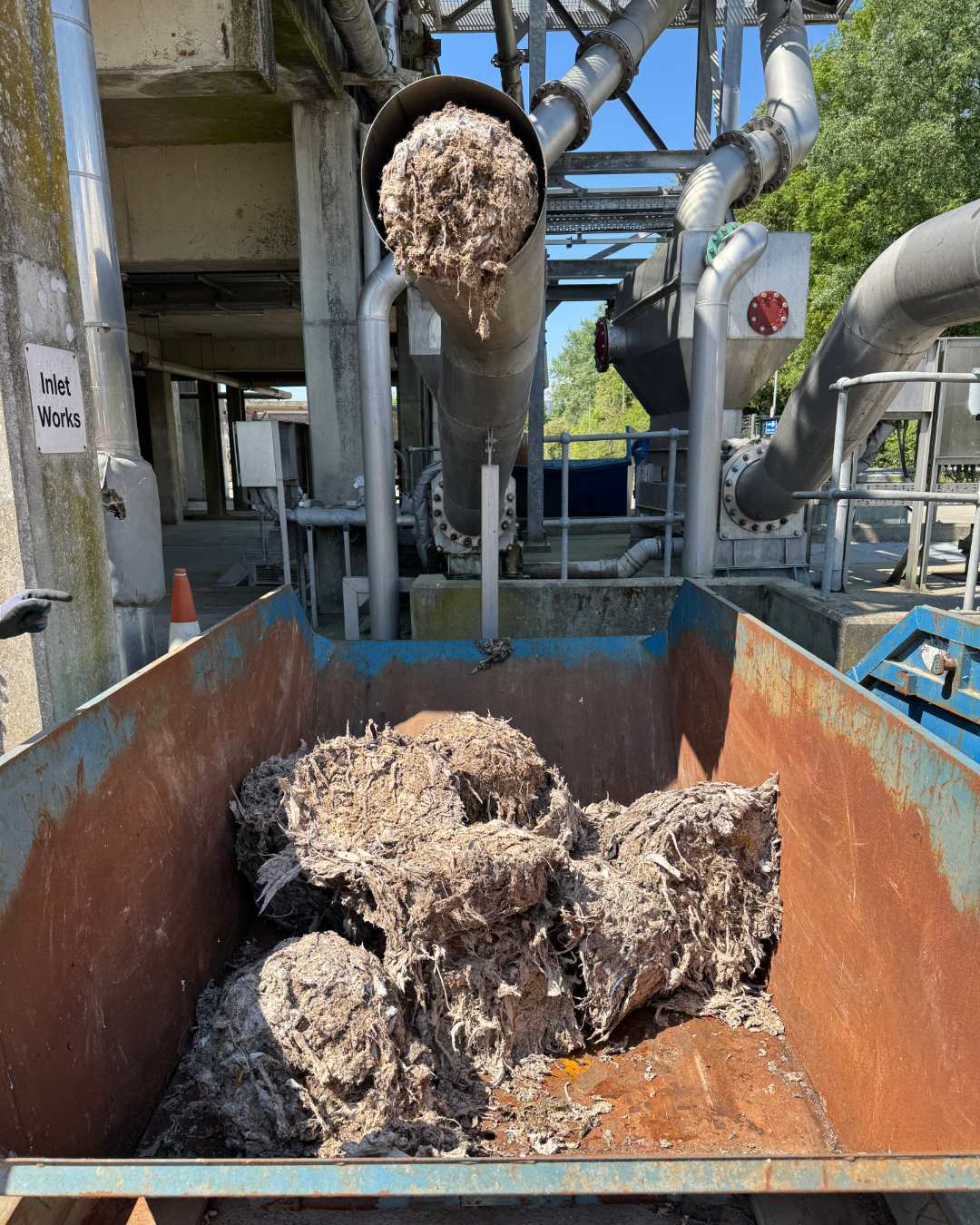
Teaming up with the University of Portsmouth and Brunel University, we are taking regular water samples to find out exactly what is in our local harbour water. With thousands of hours of sewage-laden stormwater discharges into these bodies of water over the last year, initial results have shown high levels of E. coli and Streptococci. The research being carried out by the universities will also be looking at additional pollutants, including pharmaceuticals, and will form the basis of peer-reviewed scientific papers.
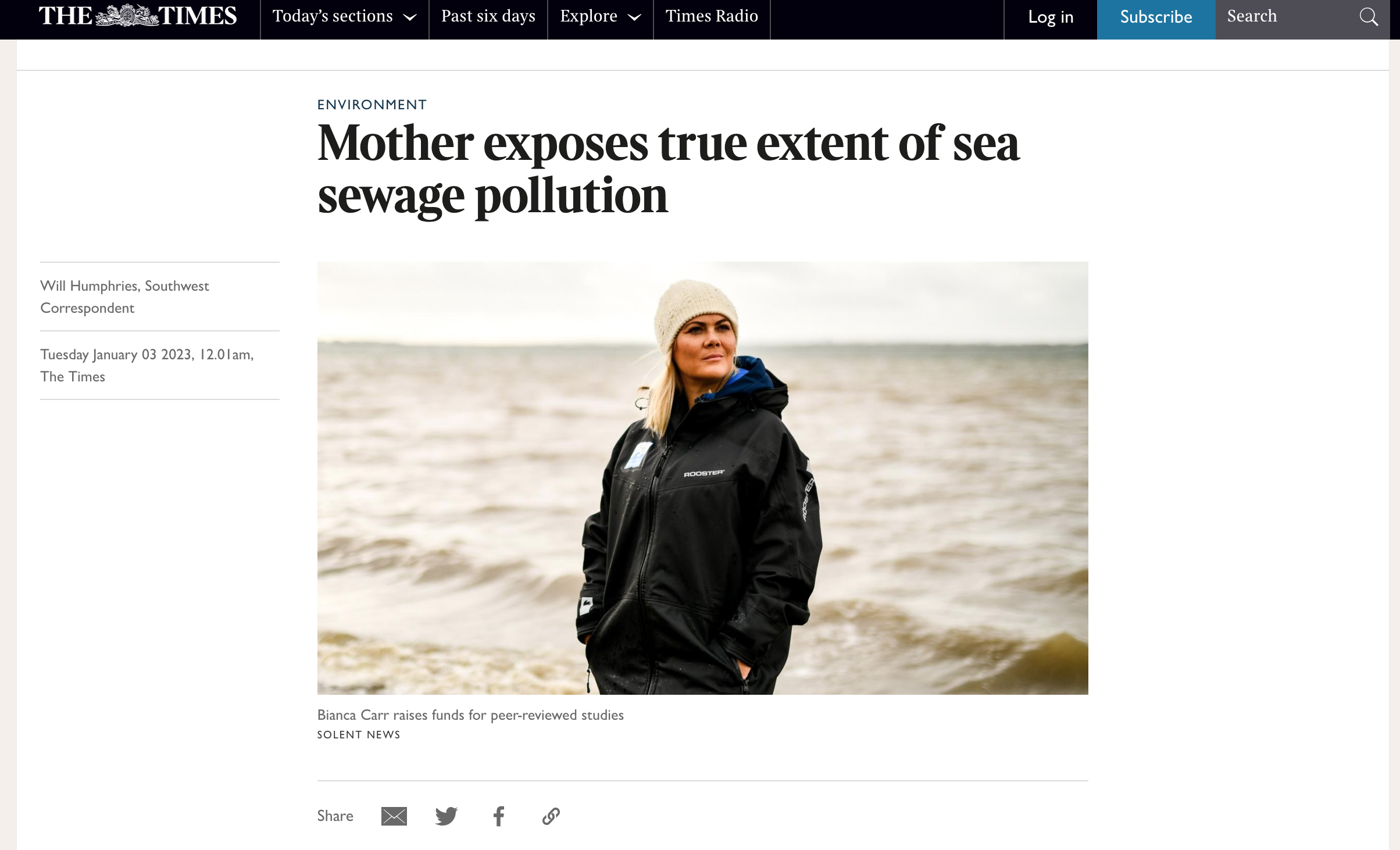
Our results have started to garner some traction with the press, and just this week we have featured in The Times – check out the article: here
If you would like to find out more about the work we are doing with the Clean Harbours Partnership, please visit the website
We welcome any support for the project, whether financial, volunteering-time or other – you can get in touch here