By Guest Blogger, Beth Raffell
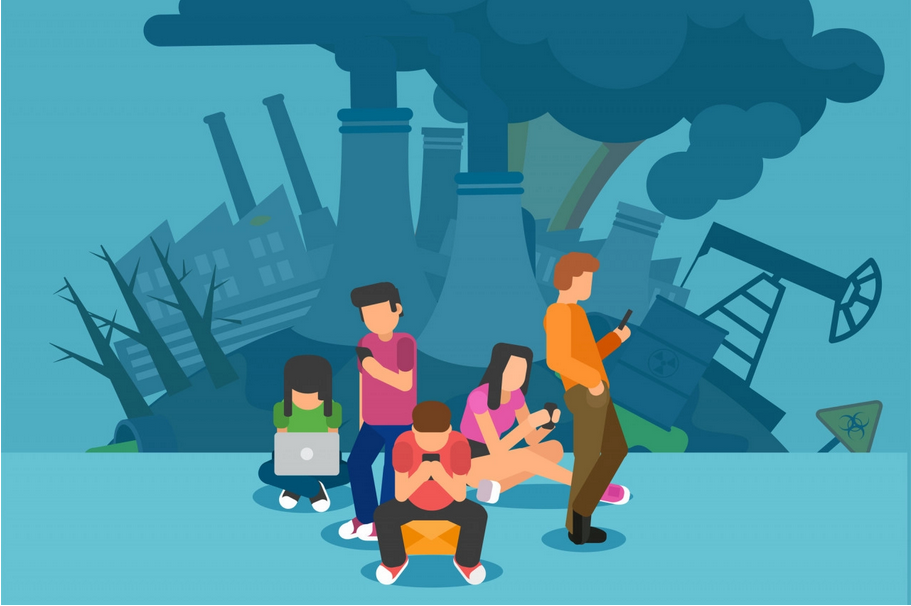
Recycling has been a growing hot topic since the production and consumption of plastic skyrocketed after large-scale production began in the 1950s. In the UK alone, an estimated five million tonnes of plastic are used every year with nearly half of it being used for packaging. The government has made claims that almost half of the UK’s plastic packaging gets recycled however this is sadly not the truth. Of all the plastic that ever existed, approximately half of it has been produced within the last 15 years, with only 14% of plastic waste being collected for recycling. In fact, every single piece of plastic ever made still exists and a sickening 91% of plastic has never been recycled (UNEP, 2019). If that wasn’t horrifying enough, plastics currently account for 85% of all marine litter and plastic pollution in the ocean. This is due to quadruple by 2050.
The amount of litter spewing into our oceans is having devastating effects on marine life from plankton, shellfish and coral reefs to birds and other mammals. Sadly, plastic pollution is now detected in almost all species groups. These animals are under constant risk of toxification, starvation and suffocation because of this pollution, however, the risk does not stop with animals but is also impacting humans.
Statistics show that the UK produces more plastic waste per person than almost any other country, and the amount of waste is proving to be more than we can manage and process at home. Despite many of us here in the UK taking the time to carefully sort through our rubbish, less than 10% of everyday plastic actually gets recycled.
This begs the question: What is actually happening to our waste if it’s not being recycled and where does it end up?
Millions of items of plastic packaging like pots, bottles and food trays are thrown into the recycling bins every day and upon collection, are then taken to a sorting facility where they enter an intricate network where people and machines work to separate the recycling into different material types.
In order to be recycled, the materials will be ground up into small pieces before being melted and reformed/repurposed, however every time a piece of plastic is recycled, its polymers that make up the chemical sequence of its structure become shorter, reducing the possibilities of its re-use every time it goes through this process.
In recent years, with more funding cuts and recycling rates stagnating, more waste is being sent to incinerators or ‘energy from waste’ plants – to be burned to generate energy. The UK currently has approximately 90 incinerators which – although a better alternative to landfills- is causing continuous damage to our environment through the mass production of air pollution and greenhouse gases. Also, despite the Public Health England stating there are no adverse health effects from these plants, campaigners are still concerned with what is emitted and the danger of microplastic air pollution. Additionally, some reports suggest that not all materials sent to these incinerators are unrecyclable and are ending up here either due to a lack of specialist facilities to process them or contamination reasons. Contamination of recycled rubbish can happen when an individual does not clean the packaging before throwing it into recycling thus rendering the item unrecyclable. This may also contaminate all other pieces of recycling it ends up with, making the whole load unrecyclable.
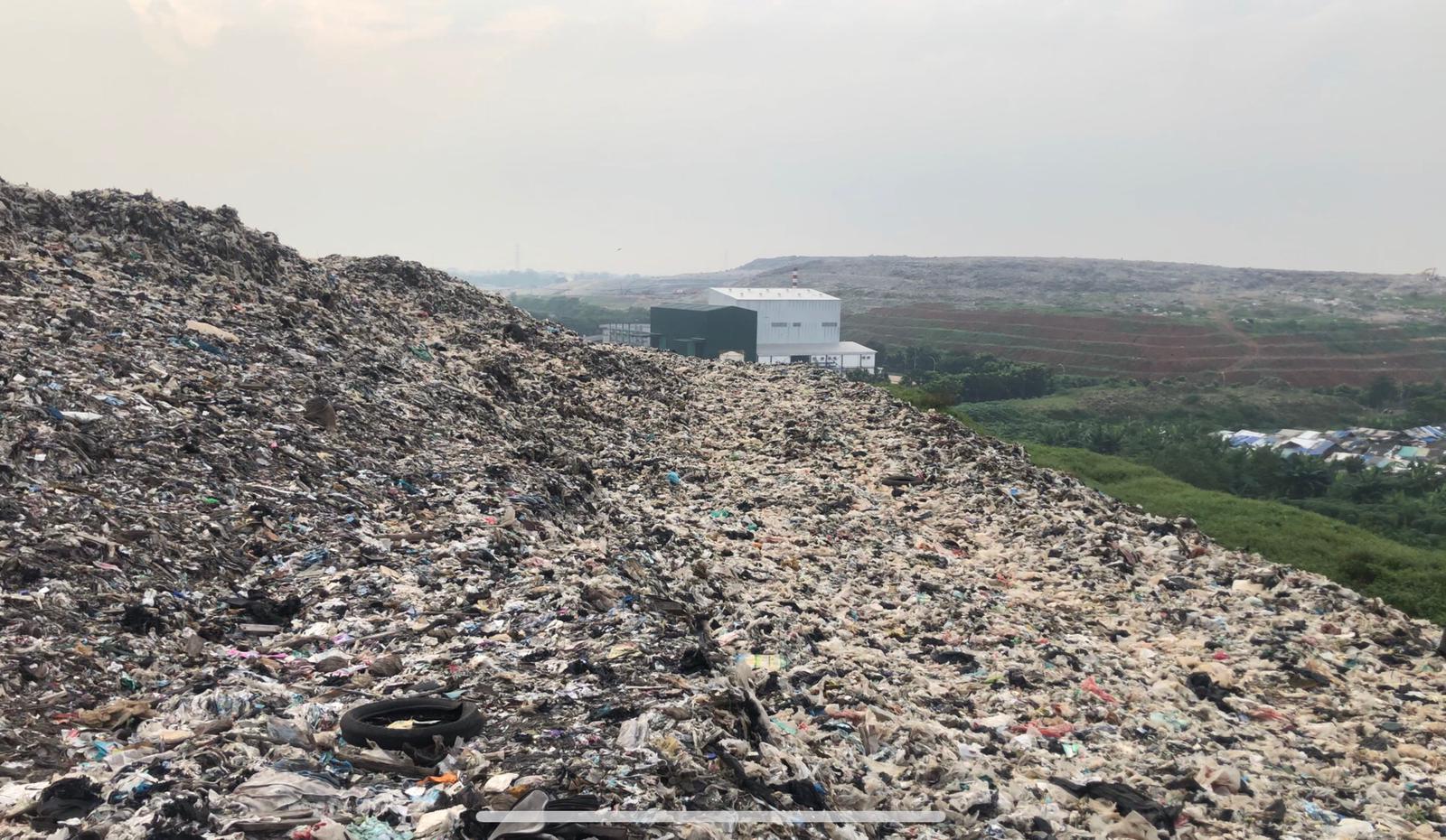
Alternatively, if not recycled or sent for incineration, our rubbish is being shipped overseas and often illegally dumped with no regard for the consequential impacts on both the environment and the local people. Approximately two-thirds of plastic waste in the UK is sent abroad to be recycled, ending up in countries such as Indonesia, the Philippines, Malaysia, Turkey and Poland after China shut its doors to receiving our waste in 2018. The sad truth is that a large amount of waste sent to some of these countries will find itself left to rot in landfills – contaminating arable soils and waterways – or illegally incinerated, releasing highly poisonous fumes. Reports from countries such as Malaysia highlight the health difficulties that local people are now suffering from as a result of breathing in the smoke and toxic fumes from plastic waste, such as respiratory problems, nausea and feeling unwell.
So… How do we make a difference?
Overall, this situation is not perpetuated because UK citizens are not recycling enough. The problem is that recycling is not enough on its own to combat this waste crisis. There are still far too many single-use plastics being produced and sent through a flawed and mismanaged disposal system.
True solutions lie in additional funding, the reduction of throwaway-plastic use and the implementation of a more equitable waste-management process.
Things that we can do on a day to day basis are simply to make a conscious effort to reduce our consumption of single-use plastics, make the switch to zero waste products when we can, such as refillable cups and bottles, and continue to recycle correctly. It is vital that we continue to focus our energies on fighting for a planet that we have taken for granted for far too long. To summarize in the words of Sir David Attenborough:
“We have to recognise that every breath of air we take, every mouthful of food we take, comes from the natural world. And if we damage the natural world, we damage ourselves. We are one coherent ecosystem. It’s not just a question of beauty, or interest, or wonder – the essential ingredient of human life is a healthy planet. We are in danger of wrecking that.”
And of course, don’t forget to reduce, reuse, recycle.
Listen to this blog as a podcast on Spotify!